
In This Article
A 5-star hotel room in Rio de Janeiro. Views of the ocean. The smell of fresh Brazilian coffee. And me, sitting on the edge of the bed, feeling completely miserable.
That morning became one of many moments that slowly shifted my perspective. Not because of what happened, but because of what I finally started to see. I was four months into traveling through South America — staying in comfortable accommodations, experiencing incredible places. My partner was covering most of our travel expenses. I had freedom, adventure, and beauty surrounding me every single day.
And I was ungrateful. Completely, utterly ungrateful.
But here’s what was really happening beneath the surface: I felt worthless. My partner was paying for this incredible experience while I watched my savings dwindle. I had no stable income, no functioning business, no financial independence. Money meant security to me — it meant self-worth and stability. Without it, I felt like I was failing at life.
How did I even end up here? Simple: I was in love and wasn’t thinking clearly. When he suggested we travel together for months, my heart said yes before my practical mind could object. I quit everything — my routines, my financial stability — for this romantic adventure. At the time, it felt like the most natural thing in the world. Love makes you do things that don’t make logical sense.
The weight of that realization was part of a longer process of awakening. Here I was, receiving one of life’s greatest gifts — the chance to explore the world through Mindfulness and Gratitude — and I was wasting it on feelings of inadequacy and resentment.
The weight of that realization was part of a longer process of awakening. Here I was, receiving one of life’s greatest gifts — the chance to explore the world — and I was wasting it on feelings of inadequacy and resentment. But those feelings weren’t coming from nowhere. They were coming from a deep fear that I had lost myself, lost my purpose, lost my way. This wasn’t my only wake-up call, but it was a significant piece in understanding how my mind had been hijacking my experience of life.

The Science Behind Our Negativity Bias
My Rio revelation wasn’t unique. Our brains are wired to notice what’s wrong more easily than what’s right. Evolutionary psychologists call this the negativity bias — a survival mechanism that helped our ancestors stay alive by constantly scanning for threats.
This mental programming served our cave-dwelling ancestors well. But for those of us lucky enough to live in relative safety and abundance, this default setting often creates suffering where none needs to exist.
Research shows that practicing gratitude can actually rewire our brains to notice positive experiences more readily. Studies using brain imaging have found that gratitude activates the brain’s reward system and triggers the release of dopamine and serotonin — the same neurotransmitters targeted by antidepressant medications.
The transformation isn’t instant, but it’s real. Eight weeks of consistent gratitude practice can measurably change brain structure, making us more empathetic and naturally inclined toward happiness.
Coming Home to Myself: The Real Work Begins
Returning home after nine months of travel felt like stepping into someone else’s life. Back in Bali, everything looked familiar, but I was completely different. The woman who had impulsively quit everything for love was not the same person now facing an uncertain future in a place that was supposed to feel like home.
I had to rebuild everything from zero. Not just my career or income — though those were pressing concerns — but my entire sense of who I was. During those months abroad, especially after my Rio wake-up call, I had started questioning everything: my values, my patterns, my automatic reactions to life. I had glimpsed a different way of being, but I didn’t yet know how to live it consistently.
This is what psychologists call “post-travel identity crisis.” When you step outside your normal life for an extended period, you often return with new perspectives that don’t fit your old frameworks. The familiar becomes foreign. Your previous priorities might feel shallow or meaningless.
I had two clear choices ahead of me. I could fall back into old patterns — resent the time “lost” traveling, get angry at myself for making impractical decisions, spiral into anxiety about my financial situation and uncertain future. That path was familiar and, honestly, easier.
Or I could use this blank slate as an opportunity. I could build a new life consciously, with intention, using everything I had learned about myself during those difficult months abroad.
I chose consciousness. I chose to begin again with mindfulness and gratitude as my foundation.
This wasn’t about positive thinking or pretending everything was fine. It was about taking responsibility for my experience of life, regardless of external circumstances. It was about recognizing that my suffering in Rio wasn’t caused by lack of money or dependency — it was caused by my resistance to the situation I had chosen.
Looking back, I’m not sure where I found the strength to make that choice. But I’m proud that I did. The path of awareness isn’t always easy, but it’s the only way I know to live authentically.
My Morning Practice: Why These Minutes Matter
After returning to Bali and committing to this conscious approach to life, I knew I needed daily practices to anchor this new way of being. I couldn’t just think my way into gratitude and mindfulness – I had to train myself, like building any other skill.
These days, my morning routine starts before my feet hit the floor. The moment I open my eyes, my first thought is: “Good morning, beautiful. Today is going to be a wonderful day.“
I know it sounds simple, maybe even silly. But I actually say these words to myself, and I smile. This isn’t just positive thinking — it’s a deliberate practice of starting my day with kindness toward myself.
My full morning practice takes about 35 minutes:
Pranayama (10 minutes): I start with breathing exercises because breath is the bridge between my conscious and unconscious mind. When I control my breathing, I’m literally shifting my nervous system from stress mode to calm mode. It’s like hitting a reset button for my entire day.
Meditation (15 minutes): This isn’t about emptying my mind — that’s impossible and not the point. It’s about training my attention, much like going to the gym trains muscles. Some days my mind is chattery and restless. Other days, I find moments of real stillness. Both are perfectly fine.
Gentle Yoga (10 minutes): My body holds emotions and stress in physical form. These gentle movements help release what’s stuck from yesterday and prepare my nervous system for whatever today brings.
Nothing revolutionary. Nothing complicated. But these practices light something up inside me, and I carry that light throughout my entire day.
The key isn’t the specific activities — it’s the intention behind them. Just as we brush our teeth for physical health, these practices maintain my mental and emotional well-being.
Evenings are for longer meditation — 30 minutes — followed by journaling. My journal isn’t just a record of events. It’s a collection of gratitude and reflections. The insights that come after meditation often surprise me with their depth and clarity. They always leave me feeling illuminated and grateful.
Writing down my thoughts helps me process experiences more fully. Sometimes I discover I’m feeling something I hadn’t even realized. Other times, solutions to problems just flow onto the page.
Training Your Attention Muscle
Yesterday, I had my weekly phone call with my parents. We live thousands of miles apart, but every Sunday, my father calls or I call him. It’s routine now — something I expect rather than something I consciously appreciate.
Writing this article made me pause and recognize how grateful I am for those Sunday conversations. There’s something beautiful about anticipating a loved one’s voice, about hearing familiar warmth across vast distances, even when we’re just discussing ordinary household matters.
This ability to notice and appreciate small moments isn’t accidental — it’s what happens when you practice paying attention.
People who actively savor positive experiences report higher life satisfaction and resilience during difficult times.
These moments of recognition happen more frequently now. Sometimes I’ll catch myself truly tasting my food and think, “I’m so grateful for this meal.” I’ll slow down, chew more deliberately, really experience the flavors and textures.
The practice here isn’t forced gratitude — it’s mindful attention. When we’re present with our experiences, appreciation often arises naturally. It’s like suddenly noticing we’re alive in ways we typically miss.
Practicing mindfulness means you catch yourself in these moments of appreciation more often. They transform ordinary experiences into something beautiful and meaningful.
The Hidden Psychology of Obstacles
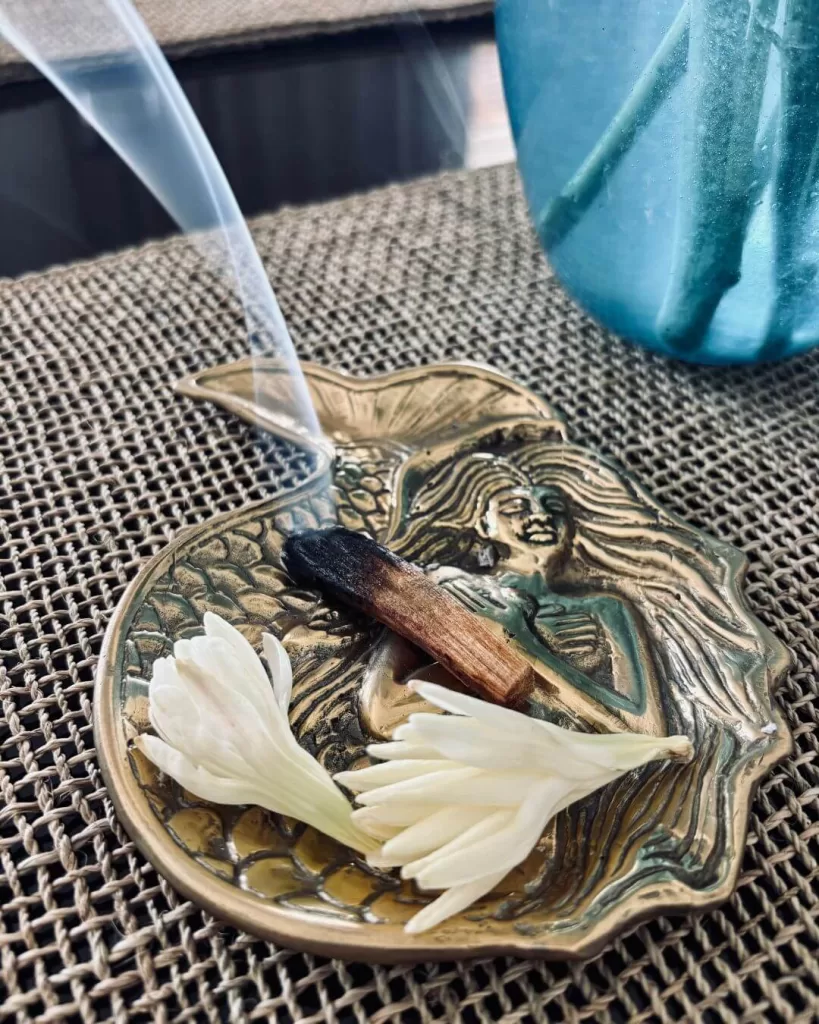
Maintaining these practices isn’t always smooth. My biggest challenge is space. I need privacy for my morning and evening rituals, which becomes tricky when my boyfriend doesn’t retreat to the bedroom at the right time.
This isn’t just about logistics — it’s about having a dedicated space for practices. When I practice in the same space consistently, that location becomes a trigger for the desired state of mind. My brain starts to associate that corner of the room with peace and reflection.
Last week provided a perfect example. I started watching a new series that kept me up later than usual, leaving me tired and tempted to skip my evening practice. Part of me wanted to collapse into bed after binge-watching episodes.
But I didn’t skip it. I did a 30-minute Yoga Nidra practice and wrote a full page in my journal, expressing gratitude for the past week and setting intentions for the week ahead.
This resistance is natural. We expect motivation to remain constant, but it naturally ebbs and flows. The key isn’t relying on motivation — it’s creating small habits that require minimal willpower to maintain.
When motivation is low, showing up for yourself still matters. Even a two-minute practice maintains the pathway you’re building. Consistency trumps intensity when it comes to creating lasting change.
Working Through Resistance
I’ll be honest: when I first started these practices, a lot of it felt ridiculous. Why write down things I’m grateful for when I already know them? Why waste 15 precious minutes sitting still when I could be productive?
This resistance isn’t personal failure — it’s how our brains work. We’re wired for efficiency, constantly asking “Is this necessary for survival?” Gratitude practices don’t trigger survival instincts, so the brain initially perceives them as waste of resources.
The biggest challenge wasn’t time management. It was my scattered attention. We live in an age where reading a full article feels like a marathon, where we want everything pre-digested, where we can’t even watch a movie without simultaneously scrolling through TikTok.
Bad habits form easily because they follow the brain’s default preference for autopilot. Good ones take real effort because they require conscious override of automatic systems.
Our minds are like restless monkeys, always needing something to do, somewhere to jump.
But life is too extraordinary and precious to waste on dissatisfaction, blame, and surface-level living. I chose gratitude and mindfulness because I realized they were the keys to experiencing life fully.
How My Relationship with Stress Completely Changed
The transformation has been profound. I feel calmer now than I have in my entire life. I used to be the queen of overthinking, analyzing every action — not just my own, but everyone else’s words and behaviors too.
Now I’m at peace. Situations outside my control don’t disturb my inner equilibrium. Decision-making has become easier because I trust my intuition. I’ve become more creative, more willing to act without demanding perfection.
What we call “intuition” is actually rapid processing of bodily sensations and emotional information. When we’re constantly anxious or overthinking, we can’t access these subtle signals. Mindfulness practices quiet mental noise, allowing this deeper intelligence to emerge.
The old me would plan and re-plan, seeking the “perfect” approach. The current me just acts. Perfection isn’t necessary. Often, it’s the enemy of progress.
I feel confident in a way that comes from within. There’s a knowing that arises from this inner place. It’s beautiful and brings both peace and light.
My relationships have transformed too. As I’ve changed, my connections with family have deepened, especially with my parents, whom I used to blame for various disappointments. I’ve learned to value female friendships more deeply, appreciating profound conversations and the unique energy women share.
There’s truth in the saying: “Every time I meet more of myself, I can know and love more of you.”
For the Skeptics – What the Research Actually Shows
I understand the resistance to gratitude practices. I was skeptical too. The whole thing can sound “woo-woo” or overly simplistic.
My response: just try it. Ten minutes a day. You can stop anytime if it doesn’t resonate. It costs nothing.
Research consistently shows that gratitude practices lead to measurable benefits including better sleep quality, stronger immune function, and improved relationships. These aren’t just subjective feelings — they’re physiological changes that scientists can measure.
All our beliefs come from somewhere. We aren’t born with fixed mindsets. We arrive as blank slates, then parents and society program us with codes and convictions. Often, we forget who we truly are underneath all that conditioning.
That’s why I believe we should experiment with as much as possible in life, especially things that seem strange or unfamiliar. Sometimes the practices we initially resist become the tools that help us discover our authentic selves.
A Simple 5-Minute Practice to Start Today
Here’s what I do when I only have a few minutes:
The Quick Reset:
- Take three deep breaths in and out
- Sit in silence for one minute
- Ask yourself: “What am I grateful for today?”
- Write your answers in a journal or phone notes
No editing. No judgment. No wrong answers.
This simple practice can shift your entire day. Sometimes the smallest adjustments create the biggest changes.
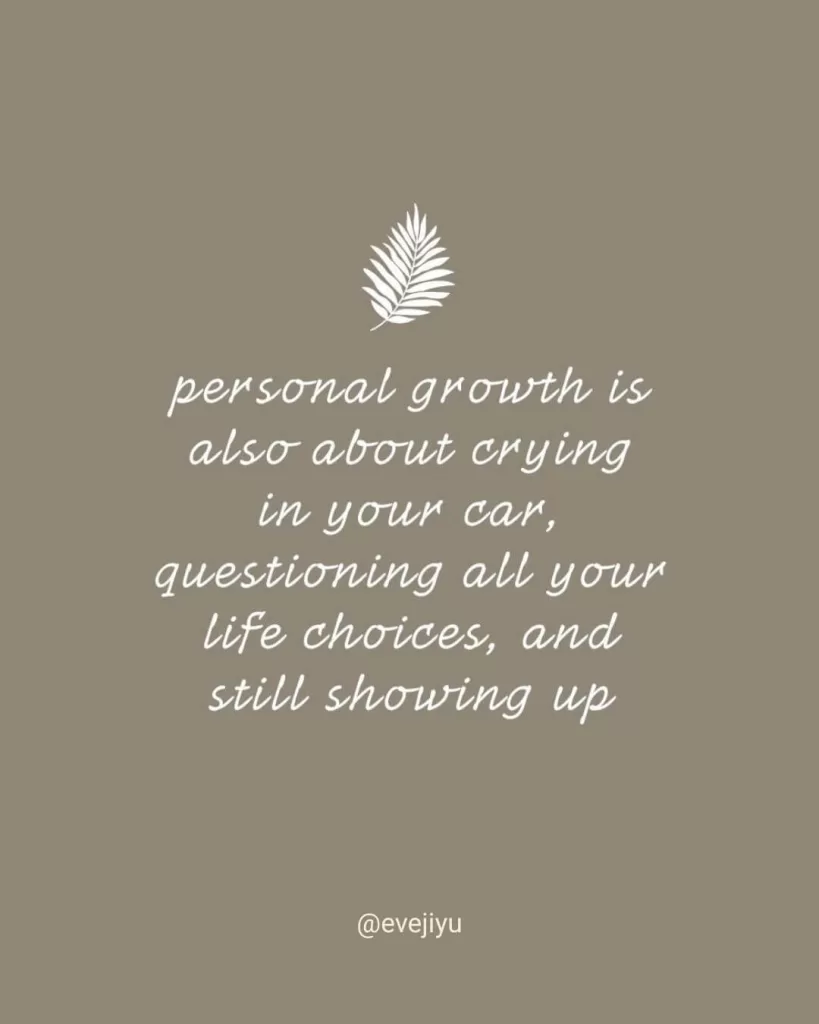
forcing ourselves
to be happy is not
genuine or usefulbeing honest
about what we feel,
while remaining calm
and aware,
is the real work-young pueblo
Journal Prompts to Begin Your Practice
If you’re ready to start but aren’t sure where to begin, try these prompts for mindfulness and gratitude. I recommend picking one and spending 5-10 minutes writing about it. Don’t overthink — just let whatever comes up flow onto the page.
For Mindfulness:
- Prompt 1: Present Moment Awareness “Right now, in this moment, what can I see, hear, feel, taste, or smell that I usually overlook? How does paying attention to these details change my experience?”
- Prompt 2: Emotional Weather Check
“What emotions am I experiencing today? Can I describe them without judging them as good or bad? What do these feelings tell me about what I need right now?” - Prompt 3: Mindful Appreciation “What’s one ordinary thing that happened today that I can find appreciation for? What would my life be like without this ordinary blessing?”
For Gratitude:
- Week 1: Foundation Building “What are three things I usually take for granted that actually make my life easier or more beautiful?”
- Week 2: Relationship Awareness
“Who in my life do I appreciate but haven’t told recently? What specifically do I value about them?” - Week 3: Present Moment Recognition “When did I feel most alive and present this week? What was I doing, and how can I create more moments like this?”
The Practice That Surprised Me Most
During those early months of rebuilding my life in Bali, I was exploring different meditation techniques, trying to find what worked for my restless mind. That’s when I discovered body scan meditations, and they became unexpectedly powerful in my routine.
I never expected something so simple to be so effective for relaxation and mental clarity after difficult days. When I first tried it, I was amazed at how much tension I was carrying that I hadn’t even noticed.
During a body scan, you systematically focus attention on different parts of your body, noticing sensations without trying to change them. This practice helps me concentrate, stay present, and develop gratitude for my physical self. It creates better balance between mind and body.
The technique is straightforward but profound. You’re training your attention while simultaneously appreciating the vessel that carries you through life.

Your Mindfulness Renaissance Starts Now
The truth about mindfulness and gratitude is this: they’re not magic. They’re not cure-alls. They’re simple practices that, done consistently, can fundamentally alter how you experience being alive.
You don’t need special equipment or extensive training. You don’t need to be “spiritual” or believe in anything mystical. You just need willingness to spend a few minutes each day paying attention to what’s actually happening in your life instead of what’s missing from it.
If I could go back to that hotel room in Rio, I’d tell that miserable woman that her unhappiness wasn’t the problem — it was the teacher. That discomfort was showing her exactly what needed to change.
Start where you are. Start small. Start imperfectly.
The light you’re looking for is already there, waiting for you to notice it.
Have you tried mindfulness or gratitude practices? What obstacles do you face in maintaining them? Share your experiences in the comments — I’d love to hear about your own discoveries and challenges.



0 Comments